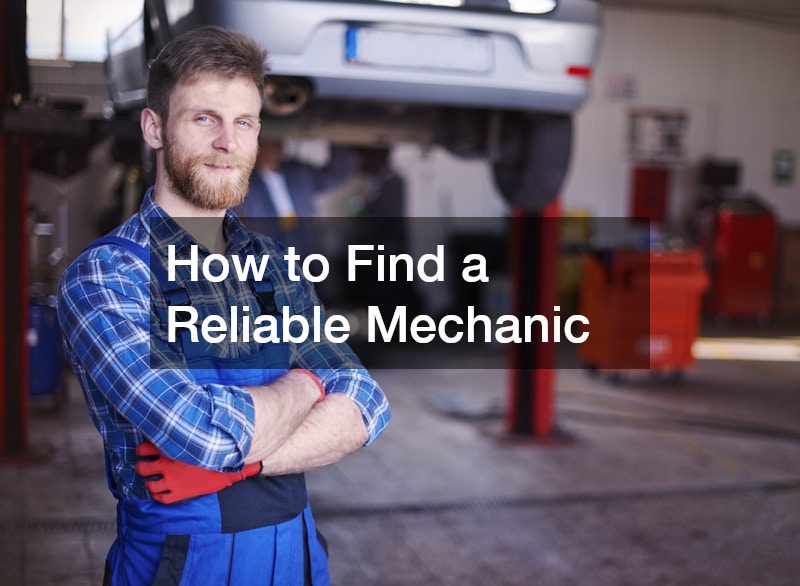
Finding a mechanic you can trust is one of the most critical aspects of responsible vehicle ownership. For many, a car is not just a mode of transportation but a vital lifeline to work, family, and personal freedom. Entrusting this asset to a stranger can be a source of significant anxiety, especially given the technical complexity of modern vehicles. However, a reliable mechanic does more than just turn wrenches; they serve as a consultant for your vehicle’s longevity and your family’s safety.
A great service relationship is built on a foundation of transparency, verified skill, and consistent performance. While the search might seem daunting in a saturated market, following a structured evaluation process can lead you to a shop that treats your car with the same care you do. By focusing on professional standards, clear communication, and verified credentials, you can move away from the “trial and error” method of car repair and move toward a long-term partnership with a skilled technician who values your time and your safety as much as you do.
Seeking Referrals From Trusted Personal Networks

The most effective way to begin your search is by tapping into the experiences of people you trust. Word-of-mouth remains the gold standard for finding honest service because friends and family have no financial incentive to mislead you. When asking for recommendations, look for those who have used a shop for routine maintenance, such as local oil changes, as well as more complex repairs. A shop that treats a simple fluid swap with the same professionalism and attention to detail as an engine rebuild is a shop that values its customers.
Pay attention to recurring names in your social circle. If multiple people mention a specific technician’s honesty regarding what doesn’t need to be fixed, you’ve likely found a winner. Personal referrals also give you a glimpse into the shop’s “bedside manner”—how they handle stress, how they treat people who aren’t car-savvy, and whether they stick to their initial time estimates. This social proof provides a layer of security that an advertisement simply cannot match, as it represents a history of successful interactions over many years.
Reviewing Online Ratings and Customer Testimonials
In the digital age, a shop’s reputation is often laid bare on platforms like Google, Yelp, and specialized automotive forums. When reviewing these testimonials, don’t just look at the star rating; read the narrative of the reviews. Look specifically for how the shop handles critical safety components like brake services. If customers consistently praise the shop for explaining the thickness of their pads or the condition of their rotors without high-pressure sales tactics, it indicates a culture of transparency and respect for the client.
Be wary of shops with exclusively five-star reviews, as these can sometimes be manufactured. A few four-star or even three-star reviews where the shop responded professionally to resolve a conflict can actually be a positive sign. It shows that the business is accountable and cares about its public standing. Look for patterns: do multiple people mention that their car felt different or better after a repair? Do they mention that the final bill matched the estimate? These details are the breadcrumbs that lead to a reliable mechanic who prioritizes customer satisfaction over quick profits.
Verifying Professional Certifications and Industry Credentials
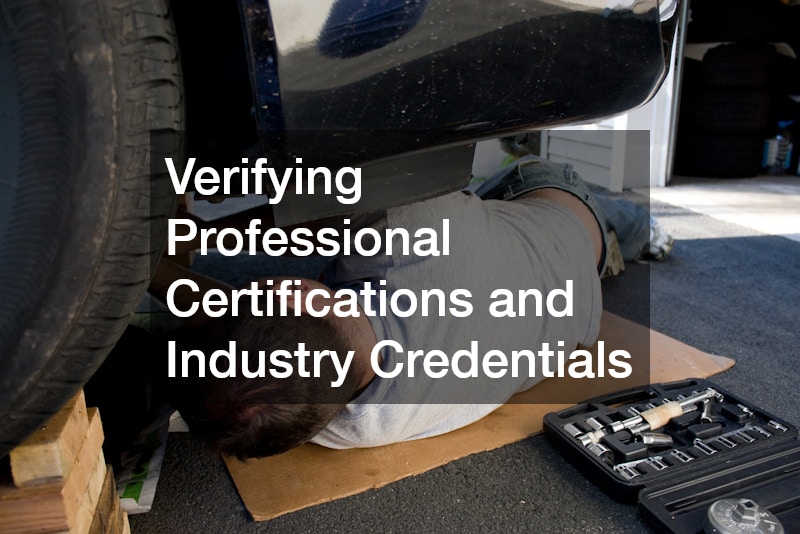
While passion is good, verified competence is better. A reliable shop should proudly display certifications from the National Institute for Automotive Service Excellence (ASE). ASE certification ensures that the technician has met rigorous national standards for knowledge and experience. This is particularly vital if you require specialized work, such as diesel truck repair, which involves high-pressure fuel systems and complex emissions equipment not found in standard gasoline engines.
Beyond ASE, look for manufacturer-specific certifications. If you drive a European luxury car or a heavy-duty domestic truck, a mechanic who has undergone factory training will have a deeper understanding of that specific vehicle’s quirks. Furthermore, check if the shop is a member of the Automotive Service Association (ASA) or is a AAA-Approved Auto Repair facility. These organizations require shops to adhere to a strict code of ethics and maintain certain equipment standards, providing you with an extra layer of professional oversight and a mechanism for dispute resolution if something goes wrong.
Evaluating Shop Cleanliness and Professional Equipment
You can tell a lot about a mechanic’s work by the state of their workspace. While an auto shop is naturally going to have some grease and noise, it should not be disorganized or filthy. A clean, organized shop suggests a disciplined mind and a respect for the customer’s property. Furthermore, look at the equipment they use. Modern vehicles require sophisticated diagnostic computers and precision machinery. For instance, if you are getting a wheel alignment, the shop should have a modern, computerized alignment rack rather than outdated manual tools.
Observe the “back of the house” if possible. Are tools put away? Is the floor swept? Are there spill containment measures in place? A mechanic who is meticulous about their floor is likely to be meticulous about the torque specs on your lug nuts. Additionally, a professional waiting area with clear signage and updated posters about car care indicates that the business is invested in the customer experience, not just the mechanical transaction. This attention to detail usually translates directly into the quality of the repair work performed on your vehicle.
Inquiring About Warranties and Service Guarantees

One of the primary reasons people stick with a specialized truck dealer for service is the perceived security of a national warranty. However, many independent shops offer warranties that are just as good, if not better. Before agreeing to any major work, ask specifically about their parts and labor guarantee. A reputable mechanic should stand behind their work for at least 12 months or 12,000 miles.
Some shops participate in nationwide “Confidence Plus” or “NAPA Autocare” networks, which means if a part they installed fails while you are on a road trip, another shop in the network will fix it for free. This level of protection is a hallmark of a shop that is confident in its diagnostic abilities and the quality of the parts it sources. If a mechanic is hesitant to provide a written warranty, or if they only offer a “tail-light warranty”—meaning the warranty ends once they see your tail-lights leaving the lot—it’s time to find a different professional who respects the value of your investment.
Assessing Communication Clarity and Technical Explanations
A great mechanic is also a great teacher. They should be able to explain what is wrong with your vehicle in a way that you understand, without resorting to condescension or overly dense jargon. This is especially important in specialized diesel shops, where the terminology surrounding turbochargers, injectors, and DEF systems can be overwhelming to the uninitiated. A reliable technician will often show you the worn-out part or use a digital inspection report with photos to illustrate the issue clearly.
If a mechanic gets frustrated when you ask questions, or if they try to “blind you with science” to justify a high price tag, take your keys and leave immediately. You are looking for a collaborator, someone who presents you with options—distinguishing between “this needs to be fixed today for safety” and “this can wait six months.” This transparency builds the trust necessary for a multi-year service relationship. Effective communication ensures that there are no surprises when the final invoice is presented, keeping the relationship professional and positive.
Comparing Labor Rates and Detailed Price Estimates
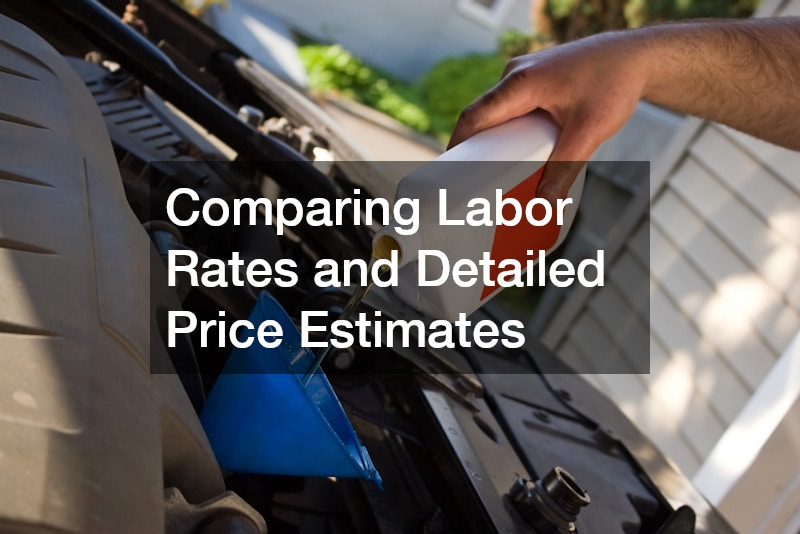
While you shouldn’t necessarily choose the cheapest shop, you should choose one that is priced fairly for your region. Ask for a written estimate before any work begins. This estimate should break down the cost of parts, the number of labor hours, and any shop fees. For standard procedures like an auto alignment, the price should be relatively consistent within a local market. If one shop is significantly higher or lower than the rest, ask them to explain the variance.
A lower price might indicate the use of sub-par aftermarket parts or a lack of proper insurance and certification. A higher price might be justified by more advanced equipment or a longer warranty. The key is that the mechanic can justify the cost with logic and evidence. Be wary of shops that refuse to give a written estimate or those that provide vague “ballpark” figures over the phone without seeing the car. A professional knows that surprises on the final bill are the fastest way to lose a loyal customer.
Conducting Small Test Repairs for Quality Assessment
If you aren’t in an emergency situation, “test drive” the mechanic with a small, non-critical job before committing to a major overhaul. While many people think of fluid changes for this, you can also look at minor cosmetic or body-related tasks like bumper repairs or a simple bulb replacement. This allows you to observe their intake process, their punctuality, and how they treat your car’s interior—do they use floor mats and seat covers to prevent grease stains?
During this small job, pay attention to the little things. Do they return the car at the promised time? Is the steering wheel greasy when you get back in? Did they reset your maintenance light? These small indicators of “finishing the job” are highly predictive of how they will handle a major engine or transmission repair. If they fail the small test by being sloppy or disrespectful of your time, they haven’t earned the right to handle a more significant or expensive job.
Checking Better Business Bureau Records and Standing
For more extensive work, such as that performed by an auto collision shop after an accident, it pays to check formal consumer protection records. The Better Business Bureau (BBB) provides a history of complaints and, more importantly, how the business resolved them. Every business will eventually have a disgruntled customer, but a reliable mechanic will have a track record of addressing those grievances fairly and promptly.
Check for an “A+” rating and look to see how long the business has been in operation. Longevity in the automotive industry is a strong indicator of reliability; a shop that does poor work won’t survive for twenty years in the same community. Also, look for any government enforcement actions or “news alerts” on their profile. This step adds a layer of formal verification to the informal reviews you’ve already read, ensuring that you are dealing with a legitimate and ethical business entity.
Confirming Specialization in Specific Vehicle Makes
Finally, ensure the shop is the right “fit” for your specific vehicle. While a generalist can handle most cars, some tasks require niche expertise. If you are looking to customize a work vehicle with truck bedliners or high-performance off-road suspension, you want a shop that speaks that specific language. Specialized shops often have the specific software and proprietary tools that general shops may not want to invest in for every brand.
Ask the shop foreman, “What percentage of your work is on my type of vehicle?” If they see your make and model every day, they will be familiar with the common failure points and TSBs (Technical Service Bulletins) associated with it. This familiarity saves you money in the long run because they won’t spend hours on “billable diagnostics” trying to figure out a problem they’ve already solved a dozen times for other customers. Expertise leads to efficiency, which ultimately benefits your wallet and your car.
Finding a reliable mechanic is a process of elimination that requires a small investment of time upfront but pays massive dividends in the long run. By moving through these steps—starting with personal referrals and ending with verified specializations—you transform yourself from a vulnerable consumer into an informed partner in your vehicle’s maintenance. Remember that the “cheapest” mechanic is often the most expensive one in the long run if their work leads to repeated failures, unsafe conditions, or voided manufacturer warranties.
A truly great mechanic is an asset to your financial health and your personal safety. They are the ones who tell you when a car is no longer worth fixing, who catch a frayed belt before it snaps on a highway, and who ensure that your brakes bite firmly every time you press the pedal. Once you find a professional who combines technical mastery with ethical business practices, stay with them. Loyal customers often get better scheduling priority and the “benefit of the doubt” on minor issues. Your car is a complex machine that deserves professional care; don’t settle for anything less than a mechanic who respects both the machine and the person behind the wheel. A well-maintained vehicle is not just a tool, but a source of security for years to come.