Keeping your car in good condition involves more than filling the fuel tank and washing it regularly. Routine maintenance helps your vehicle operate reliably, reduces the likelihood of unexpected breakdowns, and can extend the life of important components. By developing a few simple habits and addressing potential issues early, you can keep your car running smoothly and feel more confident on the road.
Whether you drive every day or only occasionally, understanding your vehicle’s maintenance requirements is worthwhile. Scheduling a regular car service can also help identify developing problems before they become more expensive to repair. Here are some practical maintenance tips to keep in mind.
Check Your Engine Oil Regularly
Engine oil lubricates moving components, helps manage heat, and reduces friction inside the engine. If the oil level becomes too low or the oil deteriorates, your engine may not receive the protection it needs.
Check your oil according to the instructions in your owner’s manual. Depending on your vehicle, this may involve using a dipstick or checking the electronic oil-level display. Always follow the recommended procedure and park on a level surface when required.
Pay attention to the recommended oil type and replacement intervals, as different engines have different requirements. If you notice an unusual drop in oil level, visible leaks, or an oil warning light, investigate the issue promptly rather than simply topping up repeatedly.
Monitor Your Tyres
Your tyres play an important role in braking, steering, handling, and overall road safety. Incorrect tyre pressures can affect fuel efficiency and cause uneven wear, while damaged or excessively worn tyres may compromise grip.
Check tyre pressures regularly using the manufacturer’s recommended figures, which are commonly listed on a placard inside the driver’s door or in the owner’s manual. Remember that recommended pressures may differ depending on the load you’re carrying.
Inspect the tread and sidewalls for uneven wear, cracks, bulges, or embedded objects. If the tread appears low or you notice persistent pressure loss, have the tyres assessed by a professional.
Don’t forget the spare tyre if your vehicle has one. Keeping it in suitable condition can save time if you experience a puncture.
Pay Attention to Your Brakes
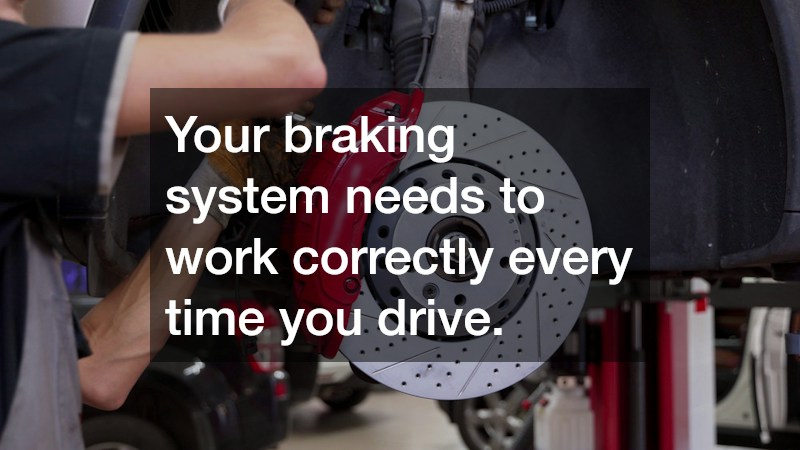
Your braking system needs to work correctly every time you drive. Changes in how your brakes feel or sound can indicate that something requires attention.
Listen for unusual squealing, grinding, or other unfamiliar noises when braking. You should also take note of vibrations, a brake pedal that feels different, or a vehicle that pulls to one side when slowing down.
These symptoms can have several causes, so avoid assuming that a simple adjustment will solve the problem. Have the braking system inspected by a qualified mechanic, especially if braking performance changes suddenly.
Regular inspections can help identify worn brake pads, damaged components, and other issues before they affect your ability to stop safely.
Keep an Eye on Your Coolant
Your car’s cooling system helps maintain a suitable engine temperature. Coolant circulates through the system to manage heat, helping prevent overheating during normal operation.
Check the coolant level in accordance with your vehicle manufacturer’s instructions. Only inspect the system when it is safe to do so, and never remove a radiator cap while the engine is hot, as pressurised coolant can cause serious burns.
If you notice a rising temperature gauge, a coolant warning light, steam, or signs of a leak, stop somewhere safe and follow the vehicle manufacturer’s guidance. Continuing to drive an overheating car can cause significant engine damage.
A mechanic can check the cooling system for leaks, worn hoses, and other potential problems during routine maintenance.
Replace Filters When Required
Air and cabin filters help support different aspects of vehicle performance. The engine air filter helps prevent dust and debris from entering the engine, while the cabin filter helps reduce particles entering the passenger compartment through the ventilation system.
Over time, these filters can become clogged, depending on driving conditions and usage. A dirty engine air filter may affect airflow, while a blocked cabin filter can reduce ventilation performance.
Follow the replacement intervals in your owner’s manual rather than relying on a fixed schedule that may not suit your vehicle. If you regularly drive on dusty roads, your filters may need more frequent attention.
Don’t Ignore Warning Lights
Dashboard warning lights provide important information about your vehicle’s systems. Some indicate routine reminders, while others signal faults that need immediate attention.
Learn what the warning lights in your vehicle mean by consulting the owner’s manual. Never ignore a warning simply because the car appears to be driving normally.
If a red warning light appears or the vehicle shows signs of a serious problem, stop safely and seek appropriate assistance. For less urgent warnings, arrange an inspection promptly to determine the cause.
Follow Your Servicing Schedule
Every vehicle has maintenance requirements based on factors such as its design, age, kilometres travelled, and driving conditions. Following the manufacturer’s recommended schedule helps ensure that important checks and replacements aren’t overlooked.
A professional car service may include oil and filter changes, fluid checks, tyre inspections, brake assessments, and other tasks appropriate to your vehicle. Keep records of completed work, including dates, kilometres travelled, and any repairs.
Regular maintenance doesn’t eliminate every risk, but it can help you identify wear and address developing problems sooner. By checking essential components, responding to warning signs, and following your manufacturer’s recommendations, you can support your car’s reliability and enjoy greater peace of mind on every journey.