For the vast majority of consumers, a vehicle is the second-largest financial investment they will make in their lifetime, trailing only the purchase of a home. Yet, unlike real estate, which historically appreciates over time, a vehicle is a rapidly depreciating asset that begins losing financial value the exact moment it is driven off the dealership lot. While depreciation is an unavoidable reality of automotive ownership, the velocity at which your vehicle loses its value is not entirely set in stone.
Many drivers mistakenly believe that maximizing resale value is a frantic task reserved for the weekend before they intend to trade in or list their automobile for sale. In reality, locking in a premium valuation at the negotiating table requires a proactive, ongoing strategy of preservation, smart maintenance, and low-effort enhancements throughout your ownership cycle. Spending a modest amount of time and money on targeted preservation efforts can yield thousands of extra dollars when it comes time to transition into a new vehicle. This comprehensive guide provides actionable, easy-to-implement strategies designed to keep your vehicle looking immaculate, performing flawlessly, and commanding the absolute top tier of its market value.
Prioritizing Mechanical Integrity and Precision Performance
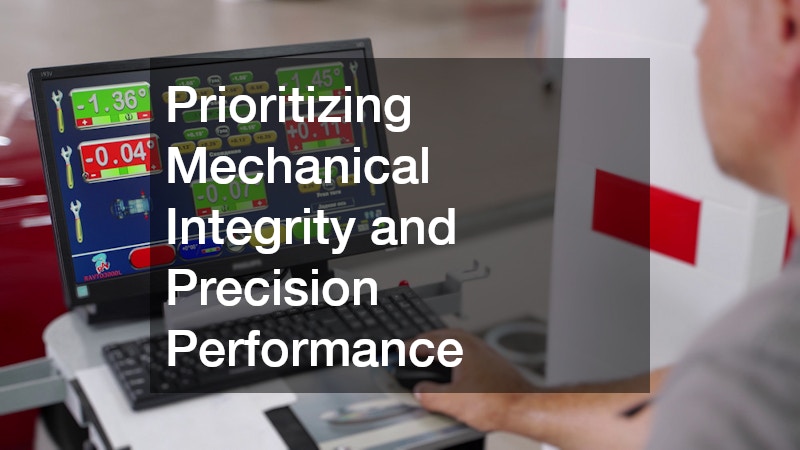
The psychological impact of a vehicle’s initial test drive cannot be overstated. When a prospective buyer or dealership appraiser slips into the driver’s seat, their senses are highly attuned to any vibration, strange noise, or subtle steering abnormality. A car that feels tight, responsive, and perfectly tracked instills immediate confidence, signaling to the buyer that the vehicle has been treated with respect and meticulous care by its previous owner.
To ensure your vehicle passes this critical test with flying colors, routine chassis upkeep and specialized, manufacturer-recommended care must remain non-negotiable priorities throughout its operational lifespan.
- Address any minor steering pull or front-end drifting immediately to ensure the vehicle drives perfectly straight without constant driver correction.
- Invest in a professional alignment service at the first sign of uneven tire tread wear, which protects your expensive tires and prevents premature strain on critical suspension components.
- Maintain a pristine, comprehensive service log tracking every single oil change, fluid flush, brake replacement, and multi-point inspection performed on the vehicle.
- When managing specialized engineering or brand-specific maintenance schedules, bypass unverified general mechanics and take your vehicle to a dedicated Honda repair shop or an equivalent factory-certified facility to ensure genuine OEM parts are utilized.
Having a detailed folder packed with verified receipts from specialized technicians creates an ironclad paper trail. This documentation removes the guesswork for the next owner, completely neutralizing their ability to negotiate the price downward based on a fear of deferred or unverified maintenance.
Addressing Cosmetic Vulnerabilities Before They Worsen
While mechanical health keeps a car running, cosmetic condition is what sells it. The visual exterior of your vehicle forms the baseline of its financial appraisal score. When a car arrives at a dealership with chipped glass, faded paint, and deep scratches, appraisers automatically deduct massive reconditioning fees from the trade-in offer, assuming that exterior neglect mirrors internal mechanical neglect.
Catching minor exterior imperfections early prevents them from ballooning into expensive, value-slashing problems that ruin your vehicle’s pristine presentation.
- Inspect your front glass frequently for minor stone chips and pits caused by highway driving before temperature shifts cause the glass to crack across the field of vision.
- Utilize a mobile windshield repair service to quickly inject structural resin into small bullseyes and star fractures, restoring optical clarity and saving the high cost of a total glass replacement.
- Wash the vehicle regularly using a dual-bucket method to prevent the accumulation of abrasive road salt, bird droppings, and industrial fallout that eats through the clear coat.
- Schedule professional ceramic coating services to apply a microscopic, hydrophobic layer of liquid polymer armor that locks in a deep showroom gloss and shields the factory paint from harsh UV oxidation.
By locking in the glossy appearance of your paint and keeping the structural glass free of blemishes, your car will stand out significantly against neglected models on the used market. These affordable cosmetic shields make the vehicle incredibly easy to clean, ensuring it looks breathtaking for listing photographs.
Modifying With Intent: Reversible Visual Enhancements
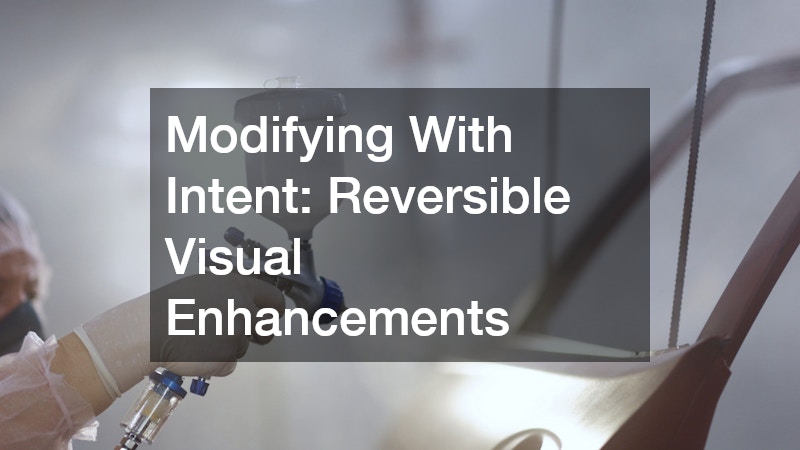
Automotive customization is a double-edged sword when it comes to long-term financial returns. While personalizing your car can make it feel uniquely yours, permanent changes like custom paint jobs, drilled body panels, or wild exterior alterations will drastically shrink your potential buyer pool. To maximize resale value, any visual modification you choose to perform must be entirely temporary and easily reversible before listing.
Modern vinyl applications allow you to participate in contemporary design trends while safely preserving the highly sought-after factory condition beneath the surface.
- Protect your underlying factory paint from rock chips and surface abrasions by enveloping the exterior panels in a high-quality car wrap.
- Choose neutral, universally popular colors for your vinyl covers, which allows you to enjoy a custom look while keeping the highly marketable original paint pristine for the next owner.
- Avoid permanent emblem painting or destructive body modifications that cannot be easily undone by a standard dealership service department.
- Incorporate subtle branding, business promotion, or artistic expression safely by utilizing removable car graphics that can be peeled away cleanly without leaving residue or damaging the clear coat.
When it comes time to sell, you can simply remove these vinyl accents to reveal a perfectly preserved, scratch-free exterior. This approach allows you to enjoy the benefits of customization without forcing the next owner to inherit your specific aesthetic tastes, keeping your market options wide open.
Strategic Upgrades and Knowing When to Fold
The technology inside a vehicle’s cabin ages significantly faster than its engine or transmission. A car that is mechanically flawless can feel completely ancient to a modern buyer if the dashboard features an outdated, low-resolution screen or a non-intuitive physical interface. Making targeted technology upgrades inside the cabin is one of the easiest ways to inject modern appeal into an older vehicle.
However, you must balance these tech upgrades against the reality of major mechanical wear, ensuring you do not over-invest in a platform that is nearing the end of its financial viability.
- Replace old, factory-installed entertainment decks with modern car audio installations that feature vibrant touchscreen displays, seamless smartphone integration, and Bluetooth connectivity.
- Prioritize cabin upgrades that offer Apple CarPlay and Android Auto capabilities, as modern buyers heavily favor vehicles that mimic their smartphone ecosystems.
- Regularly clean and condition leather seats or shampoo fabric carpets to remove stubborn odors and stains that instantly drive down interior appraisal scores.
- Calculate your financial line of no return carefully when an older vehicle suffers a catastrophic powertrain failure, recognizing that a major transmission swap rarely returns its full cost at resale.
If a vehicle requires a replacement powertrain component that costs more than half of the car’s total market value, investing in that repair is mathematically counterproductive. In these scenarios, the smartest move is to halt all discretionary upgrades and explore alternative methods of liquidating the vehicle’s remaining physical assets.
Monetizing Inoperable or Beyond-Repair Vehicles
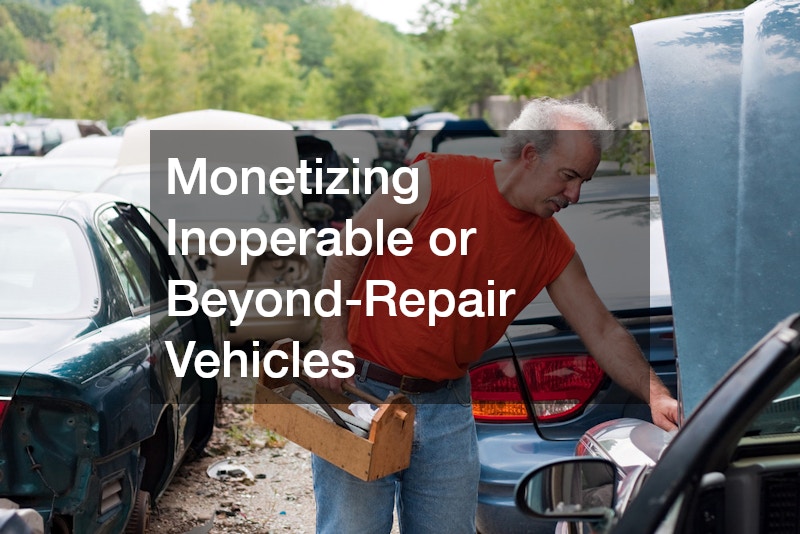
There comes a definitive point in every vehicle’s lifecycle where traditional resale on the private consumer market becomes entirely unfeasible. Whether due to an uninsured major collision, severe frame rust, or a completely blown engine block, some automobiles transition from reliable transportation into non-running liabilities cluttering up a driveway or garage space.
When a vehicle reaches this terminal state, maximizing its value means bypassing the traditional consumer market entirely and shifting toward commercial recycling and dismantling networks.
- Avoid the immense frustration, safety risks, and endless wasted time associated with trying to list an inoperable, broken-down commuter vehicle on public digital marketplaces.
- Research professional networks specializing in auto salvaging to find a licensed dismantler capable of properly recycling the vehicle’s heavy metal compounds and fluids.
- Extract cash directly from specialized recycling operations that buy heavy steel, aluminum, and valuable catalytic converter components based on current commodity markets.
- Partner with a licensed, reputable platform designed to buy and sell junk car assets quickly, ensuring you receive immediate cash on hand along with complimentary flatbed towing.
Utilizing these specialized commercial scrap channels transforms a stationary, non-running eyesore into a swift financial return. This process eliminates the stress of handling endless tire-kickers and allows you to cleanly close the book on an old vehicle while pocketing a respectable sum of cash to put toward your next automotive purchase.
Maximizing Returns via Private Sales vs. Dealership Trade-Ins
Once your vehicle is properly prepped, you face the critical decision of how to formally exit the vehicle. The path you select dictates your financial return, demanding a clear understanding of market dynamics, negotiation tactics, and the precise demographic of your target buyer pool.
Navigating the Private Secondary Market Effectively
Selling a vehicle independently to a private consumer yields the highest gross financial return. Dealerships buy vehicles wholesale to generate profit on the retail flip, meaning private listings automatically bypass that financial haircut. To succeed, create a descriptive, transparent advertisement highlighting your detailed maintenance documents, recent structural upgrades, and overall vehicle condition. Meet prospective buyers in well-lit, public parking zones or local police department transaction lots to ensure total safety, and always insist on a verified cashier’s check or physical cash before transferring ownership paperwork.
Capitalizing on the Convenience of Trade-In Tax Advantages
While private listings net more capital, trading a vehicle into a certified dealership offers convenience and overlooked fiscal benefits. Dealerships take cars in any current condition, eliminating the friction of dealing with independent tire-kickers, unverified test drives, and complex DMV registration processing. Furthermore, in many regional jurisdictions, you only pay automotive sales tax on the net difference between your new vehicle’s purchase price and your trade-in’s established value, creating a substantial passive financial credit that narrows the profit gap.
The Power of Professional Digital Valuation Platforms
Modern digital remarketing platforms have fundamentally changed how consumers liquidate used automobiles. Utilizing online vehicle buyers allows you to input your vehicle identification number and upload clear body images to receive a guaranteed financial offer within minutes. These platforms arrange to pick up the vehicle directly from your home, complete all structural title transfers digitally, and deposit funds instantly into your bank account. Comparing these digital quotes against traditional dealership appraisals grants you incredible leverage at the physical negotiation table.
Sensory Psychology and the Final Pre-Sale Detail

The final frontier of value optimization is the immediate physical experience inside the cabin. When a buyer opens the car door, their sense of smell, touch, and sight combine to create an immediate subconscious assessment of the machine’s true worth. A meticulously detailed cabin establishes a premium atmosphere that makes a premium asking price feel entirely justified.
Eradicating Deep Odors and Invisible Contaminants
A vehicle can look spotless, but lingering odors from pets, spilled food, or damp clothing will instantly drive down its market appeal. Completely ban smoking or vaping inside your car throughout its lifecycle, as smoke residue binds to foam headliners and cuts valuations drastically. Prior to listing, run a dedicated ozone machine or apply deep enzyme fabric shampoos to eliminate stubborn organic smells rather than merely covering them up with synthetic, chemical-heavy air fresheners.
High-Frequency Contact Point Restorations
Prospective buyers naturally judge an interior by the specific components they touch most often. Steering wheels, automatic gear shifters, window buttons, and door panels naturally accumulate body oils over time, resulting in an unappealing, greasy sheen. Utilizing matte-finish interior cleaners along with specialized soft detailing brushes strips away this oily glaze, restoring the factory-fresh finish to plastics and leathers, making the cabin feel like a much newer automobile.
Glass Clarity and High-Resolution Visual Presentation
One of the most common mistakes in amateur vehicle detailing is leaving a cloudy, hazy film on the inside of the glass surfaces. This film is a natural consequence of interior plastics outgassing over time and severely reduces visual crispness during a sunny test drive. Clean all interior window panes multiple times with premium, lint-free microfiber cloths and an alcohol-based streak-free glass cleaner to achieve total optical transparency that floods the vehicle with clean, natural light.
Conclusion
Maximizing your vehicle’s resale value is not a matter of luck; it is the direct result of a structured, disciplined approach to automotive ownership. By viewing your vehicle as an investment that requires ongoing preservation, you can successfully beat the steep depreciation curve that catches so many drivers off guard. Every single proactive step you take—whether keeping a meticulous binder of oil changes, sealing a small windshield chip before it cracks, or wrapping your car to protect the original clear coat—directly contributes to a higher valuation when it is time to sell.