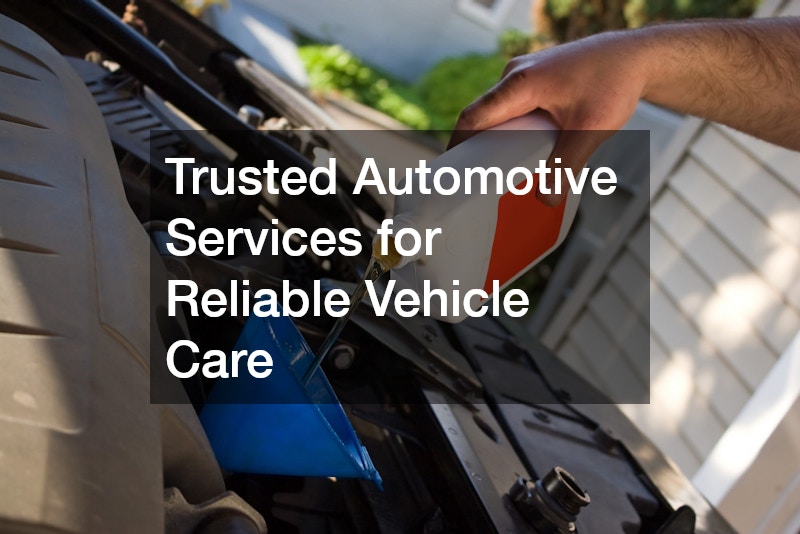
Owning a vehicle is one of the most significant investments many people make, and keeping it dependable requires more than occasional attention. Reliable vehicle care is built on trust—trust in the professionals who inspect, repair, and maintain your car, and trust in the services that protect your safety on the road. From daily commutes to long-distance travel, a well-maintained vehicle plays a crucial role in convenience, comfort, and peace of mind.
Choosing the right automotive professionals can make the difference between long-term reliability and repeated, costly problems. Skilled technicians, transparent service practices, and proactive maintenance strategies all contribute to keeping vehicles performing at their best. When services are handled correctly, drivers benefit from improved fuel efficiency, fewer breakdowns, and extended vehicle lifespan.
This guide examines how trusted automotive services collaborate to provide reliable vehicle care. By understanding when repairs are necessary, how preventive maintenance saves money, and why modern vehicles require specialized attention, drivers can make informed decisions that protect both their vehicles and their budgets. With the right approach, dependable vehicle care becomes less stressful and far more effective.

Recognizing When Structural and Cosmetic Repairs Are Necessary
Even minor vehicle damage can have consequences that extend beyond its appearance. Scratches, dents, or misaligned panels may seem cosmetic, but they often signal underlying issues that should not be ignored. Knowing when to seek professional attention helps prevent small problems from becoming serious safety or performance concerns.
Why Timely Repairs Matter
Damage caused by accidents, road debris, or weather exposure can weaken a vehicle’s structure over time. Proper auto body repair restores not only visual appeal but also the integrity of the vehicle’s frame and exterior components.
Delaying repairs may lead to:
-
Rust development beneath chipped paint
-
Misaligned panels affecting aerodynamics
-
Compromised crumple zones that reduce impact protection
-
Reduced resale value
Addressing damage promptly ensures that protective coatings, seals, and structural elements continue to function as intended.
What to Look for in a Reputable Facility
Choosing the right auto body shop is essential for quality results. Not all repair facilities follow the same standards, so it’s important to evaluate credentials and practices before committing.
Key indicators of a reliable shop include:
-
Certified technicians trained in modern repair techniques
-
Clear, written estimates explaining the scope of work
-
Use of manufacturer-approved materials and processes
-
Warranties covering both labor and parts
A trustworthy facility prioritizes safety, accuracy, and transparency rather than quick fixes.
Ensuring Repairs Protect Safety and Value
High-quality repairs go beyond restoring appearance. Precision paint matching, seamless panel alignment, and proper recalibration of safety systems all contribute to a vehicle’s long-term reliability. When repairs are performed correctly, the vehicle maintains its structural integrity and market value, giving owners confidence every time they get behind the wheel.
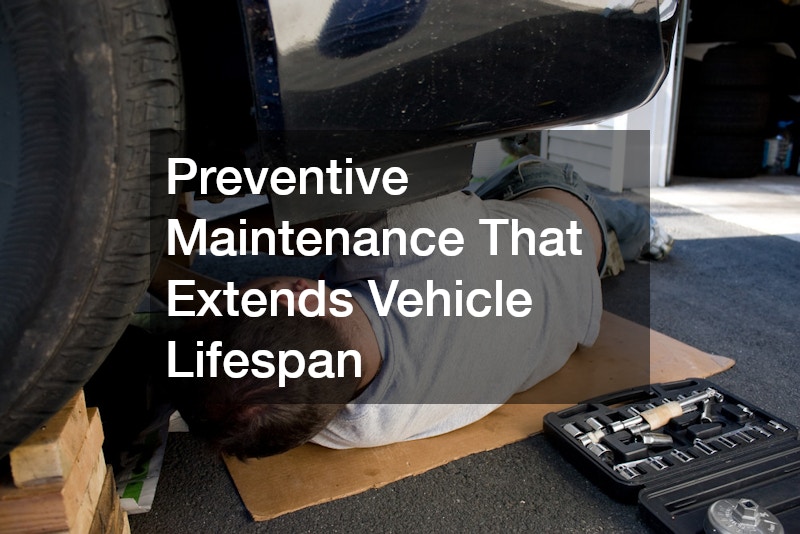
Preventive Maintenance That Extends Vehicle Lifespan
Preventive maintenance is one of the most effective ways to avoid unexpected breakdowns and expensive repairs. Regular servicing keeps vehicles running efficiently and allows potential issues to be addressed before they escalate.
Building a Consistent Maintenance Schedule
Routine auto repair services are designed to catch wear and tear early. Following a consistent maintenance plan helps ensure that vital systems remain in good working order.
Common preventive services include:
-
Oil and filter changes
-
Brake inspections
-
Fluid level checks and replacements
-
Belt and hose inspections
-
Tire rotations and balance checks
Adhering to recommended service intervals reduces stress on engine components and improves overall reliability.
Choosing a Shop That Values Transparency
A dependable mechanic shop provides clear communication at every stage of service. From diagnostics to final recommendations, transparency builds trust and allows vehicle owners to make informed decisions.
Signs of a trustworthy shop include:
-
Honest explanations without pressure tactics
-
Visual inspections or photos showing problem areas
-
Prioritized recommendations based on safety and urgency
-
Accurate timelines for completion
Open communication helps drivers understand their vehicles better and avoid unnecessary expenses.
Long-Term Benefits of Preventive Care
Preventive maintenance saves money over time by reducing emergency repairs and extending the life of key components. Vehicles that receive regular attention also tend to retain better resale value and deliver more consistent performance. By staying proactive, drivers can enjoy smoother operation and fewer disruptions to their daily routines.
Managing Electrical Systems and Modern Vehicle Technology
Modern vehicles rely heavily on advanced electronics to support safety, performance, and convenience. From onboard computers to infotainment systems, electrical components play a critical role in everyday driving.
Common Electrical Issues Drivers Overlook
Electrical problems often develop gradually and may not be immediately obvious. Ignoring early warning signs can lead to system failures that affect drivability and safety.
Symptoms that may indicate the need for car electrical repair include:
-
Flickering dashboard lights
-
Malfunctioning power windows or locks
-
Warning lights appearing intermittently
-
Battery drainage or starting issues
Professional diagnostics ensure accurate identification of electrical faults and prevent further complications.
Enhancing Comfort and Connectivity
Technology upgrades have become increasingly popular as drivers seek improved functionality and convenience. A professionally installed car play upgrade can enhance navigation, communication, and entertainment while keeping drivers focused on the road.
Benefits of modern upgrades include:
-
Hands-free calling and messaging
-
Integrated navigation with real-time updates
-
Voice-controlled media access
-
Improved compatibility with mobile devices
When installed correctly, these enhancements improve both safety and driving enjoyment.
Importance of Professional Installation
Electrical systems are complex and interconnected. Improper installations or DIY repairs can lead to short circuits, software conflicts, or system malfunctions. Working with trained professionals ensures compatibility, protects warranties, and preserves the integrity of the vehicle’s electrical network.
Maintaining Visibility and Safety Through Glass and Exterior Care
Clear visibility is essential for safe driving, yet glass and exterior components are often overlooked until damage becomes severe. Chips, cracks, and weakened seals can compromise both safety and comfort, especially during harsh weather or high-speed driving.
Why Even Minor Glass Damage Shouldn’t Be Ignored
Small cracks can spread quickly due to temperature changes, road vibrations, or moisture exposure. Addressing issues early with professional car window repair helps prevent full replacements and maintains the structural integrity of the vehicle.
Timely repairs help:
-
Preserve visibility during rain, snow, or glare
-
Maintain proper windshield strength during collisions
-
Prevent moisture intrusion that can damage interior components
-
Avoid citations or inspection failures
Glass plays a vital role in overall vehicle safety, especially as it supports airbags and roof strength.
Coordinating Exterior Repairs for Long-Term Protection
When glass damage occurs alongside exterior issues, coordinated auto body repair ensures all affected areas are properly sealed and aligned. This prevents wind noise, leaks, and uneven wear while restoring the vehicle’s appearance.
Professionals ensure:
-
Proper sealing and alignment
-
Accurate recalibration of safety sensors
-
Protection against rust and corrosion
-
A seamless finish that maintains value
Addressing these concerns together creates a more durable and reliable outcome.

Navigating Coverage and Financial Protection After Incidents
Unexpected accidents can be stressful, especially when financial responsibilities are unclear. Understanding coverage options and knowing how to navigate policies helps drivers recover more quickly and avoid unnecessary expenses. Beyond just knowing your policy, being proactive before an incident occurs can make a significant difference. Reviewing your coverage annually, keeping updated documentation, and knowing how to access assistance can help you respond efficiently when accidents happen.
Understanding What Coverage Really Protects
Policies vary widely, and not all coverage applies to every situation. Knowing what your auto insurance includes allows you to act confidently after an incident. It’s important to understand not only the types of coverage but also the limits, exclusions, and conditions that could affect a claim. For example, collision coverage may cover repairs to your own vehicle after an accident, while comprehensive coverage protects against events like theft, vandalism, or weather damage.
Coverage considerations often include:
-
Collision and comprehensive protection – Covers repairs to your vehicle from accidents or non-collision events.
-
Liability limits and deductibles – Determine how much you are responsible for in property damage or injuries to others.
-
Coverage for rental vehicles – Ensures you have transportation while your vehicle is being repaired.
-
Repair facility flexibility – Some policies require using approved shops; others allow you to choose.
Being aware of optional add-ons, like roadside assistance, gap insurance, or glass coverage, can also save time and money after an incident. A clear understanding of these elements helps drivers make informed decisions during stressful situations and ensures they are not surprised by out-of-pocket expenses.
Working With the Right Support Team
A dependable auto insurance agency provides guidance when it matters most. Clear communication, responsive service, and transparent explanations help streamline claims and reduce delays. The right agency also acts as an advocate on your behalf, helping you understand paperwork, negotiate coverage details, and connect with repair shops efficiently.
Helpful agencies offer:
-
Step-by-step claims assistance – Walking you through the entire claims process, so nothing is overlooked.
-
Clear explanations of coverage limits – Ensuring you know what’s covered and what isn’t.
-
Coordination with repair facilities – Connecting you with certified shops that meet policy requirements.
-
Timely updates throughout the process – Keeping you informed from claim initiation to final settlement.
Proactive communication with your insurance agency can prevent common pitfalls, such as delayed claims or denied coverage due to missing documentation. By building a strong relationship with your support team before accidents occur, you’ll reduce stress, avoid misunderstandings, and ensure smoother recovery after an unexpected event. Strong support ensures smoother recovery and less disruption to daily life, allowing drivers to focus on healing and returning to normal routines confidently.
Legal Guidance and Post-Accident Decision Making
After a serious collision, drivers may face medical concerns, repair decisions, and legal uncertainties. Knowing when to seek professional guidance can protect both physical well-being and financial interests.
When Legal Support Becomes Necessary
Complex accidents involving injuries, disputed liability, or extensive damages often require professional legal guidance. A knowledgeable car accident lawyer helps ensure rights are protected and responsibilities are clearly defined.
Legal assistance may be beneficial when:
-
Fault is contested
-
Injuries require ongoing treatment
-
Insurance settlements fall short
-
Documentation becomes overwhelming
Having experienced representation allows drivers to focus on recovery while ensuring fair outcomes.
Coordinating Repairs With Confidence
Choosing a reputable auto body shop after an accident ensures repairs meet safety standards and insurance requirements. Quality repairs restore functionality while supporting documentation needed for claims or legal proceedings.
Reliable facilities provide:
-
Detailed repair documentation
-
Insurance-approved repair processes
-
Safety system recalibration
-
Clear communication throughout repairs
Proper coordination between legal guidance and repair services reduces stress and prevents costly mistakes.
Choosing Long-Term Service Partners for Ongoing Reliability
Long-term vehicle reliability depends on consistent care and trusted service relationships. Rather than reacting to breakdowns, proactive drivers partner with professionals who understand their vehicle’s history and needs.
Benefits of Building Ongoing Relationships
Working with familiar providers allows technicians to track wear patterns and recommend maintenance based on real usage rather than generic schedules.
Advantages include:
-
More accurate diagnostics
-
Faster service turnaround
-
Preventive recommendations
-
Personalized care
A dependable mechanic shop becomes a valuable resource over the life of the vehicle.
Evaluating Trust and Consistency
Reliable auto repair services prioritize communication, fairness, and long-term value. Consistent service records also support resale value and warranty compliance.
Drivers should look for:
-
Consistent service quality
-
Honest recommendations
-
Clear pricing practices
-
Long-term maintenance planning
Strong partnerships reduce uncertainty and increase confidence on the road.
Reliable vehicle care is built on informed decisions, proactive maintenance, and trusted professional support. When drivers understand how different services work together, they gain greater control over safety, performance, and long-term costs. Rather than reacting to issues as they arise, a thoughtful approach prioritizes prevention, clear communication, and strategic planning. This mindset ensures that small problems are addressed before they escalate, avoiding costly repairs and reducing the likelihood of unexpected breakdowns.
By choosing qualified professionals, staying attentive to early warning signs, and maintaining consistent service habits, vehicle owners can reduce stress and avoid unnecessary disruptions. Simple actions, such as monitoring fluid levels, checking tire pressure regularly, or listening for unusual sounds, can alert drivers to potential issues early. Scheduling routine inspections, following manufacturer recommendations, and using certified service providers ensures that your vehicle operates efficiently and safely. Every repair, inspection, or upgrade becomes an opportunity to strengthen reliability and extend the life of the vehicle.
In addition, embracing modern technology—like diagnostics, smart maintenance reminders, or connected vehicle monitoring—can enhance your ability to stay ahead of potential problems. Professional guidance from mechanics, auto body shops, or specialty service providers adds expertise that supports informed decision-making. Maintaining detailed service records not only helps with future repairs but also adds value if you ever decide to sell or trade your vehicle.
Ultimately, dependable care isn’t about quick fixes—it’s about creating a long-term strategy that supports confidence, safety, and peace of mind every time you drive. By being proactive, attentive, and selective about service providers, drivers can enjoy consistent performance, lower maintenance costs, and a reliable vehicle that supports every journey with assurance. With this approach, vehicle ownership becomes less stressful, more efficient, and truly rewarding.